It doesn’t hurt, it doesn’t warn you, you don’t notice it… until it’s too late. Sarcopenia—the progressive loss of muscle mass and strength associated with ageing—is one of the greatest risks to functional health in older adults. Silent, gradual and often underestimated. Yet it is preventable. And in many cases, reversible.
What exactly is sarcopenia?
The term comes from Greek: sarx (flesh) and penia (poverty). It describes a progressive decline in muscle mass, strength and physical performance. It mainly affects people over 60, although it can begin much earlier if adequate physical activity is not maintained.
Its consequences are practical and everyday: increased risk of falls and fractures, difficulty performing basic tasks such as climbing stairs, carrying groceries or standing up from a chair, loss of independence and, in turn, higher exposure to chronic disease. What begins as muscle weakness eventually affects overall quality of life.
Why does it happen?
Sarcopenia is multifactorial. The most common causes include prolonged physical inactivity, insufficient protein intake, age-related hormonal changes, and the impact of chronic disease or hospitalisation.
But there is a common denominator: lack of strength training. It is not the only cause, but it is the silent trigger that accelerates the process the most—and the most effective lever to slow it down.
Strength training as an antidote
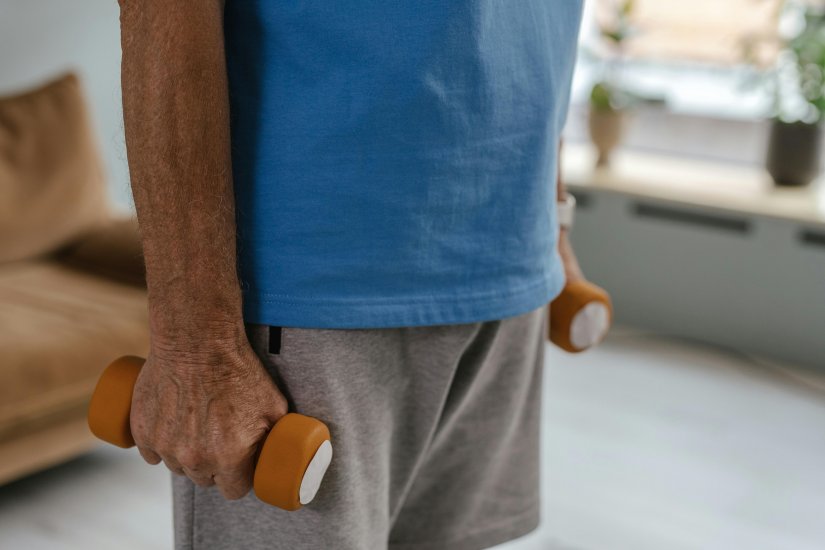
Scientific evidence is clear. Strength training increases muscle mass even in older adults, improves functional strength and mobility, significantly reduces fall risk, and decreases systemic inflammation with direct benefits on metabolic health.
Most importantly: no extreme loads or long sessions are required. Two to three weekly sessions, well designed and individually adapted, are enough to produce real, measurable change.
The usual problem is not willingness—it is lack of data. How strong is this patient really? Are they improving? Are some muscle groups falling behind?
Where SUIFF comes in: from subjective observation to objective evidence
To effectively fight sarcopenia, professionals need more than clinical observation—they need numbers. This is where SUIFF changes the approach.
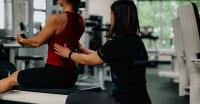
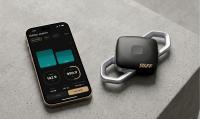
The SUIFF sensor allows direct measurement of muscle strength through isometric and dynamic actions, without heavy loads or complex equipment. This makes it especially valuable for older adults, rehabilitation patients or those with low baseline fitness, where safety is as important as measurement itself.
Early detection is key: a drop in strength values week by week can indicate functional decline before it becomes visible in daily life. Intervening at that moment makes a huge difference.
From these data, trainers and physiotherapists can design truly individualised programmes based on real functional capacity. Objective tracking, visible in the app and exportable as PDF reports, also provides a powerful motivational effect: seeing strength improve, even slowly, is one of the strongest incentives to keep training.
It’s not just about building muscle. It’s about building life.
Sarcopenia is not an inevitable consequence of ageing. It is largely the result of not training strength with enough consistency and precision. With the right data, well-designed programmes and proper measurement tools, ageing with strength, autonomy and quality of life is not an ideal—it is achievable.
Want to help your clients reach their 70s, 80s and beyond with the strength they deserve? Discover how SUIFF can make your practice more precise and effective.