Elite sport has spent years measuring everything: speed, power, heart rate, heart rate variability, sleep quality, internal and external training load. Elite athletes operate within a data ecosystem that, a decade ago, looked like science fiction.
What is happening now is different—and more interesting: this technology is moving into the wider world. Into local physiotherapy clinics, neighbourhood gyms, and home-based training for older adults. And in this democratisation process, muscle strength measurement remains, paradoxically, one of the biggest unsolved gaps.
A market that measures almost everything except what matters most
Current wearables track steps, calories, oxygen saturation and even perceived stress. Training platforms build personalised plans using artificial intelligence. But muscle strength—the most relevant functional indicator for long-term health, rehabilitation and prevention—still lacks a portable, accessible and clinically valid solution for most professionals.
Existing systems have clear limitations: isokinetic dynamometers are accurate but expensive and lab-bound; field tests depend heavily on practitioner execution and lack reproducibility; velocity-based devices measure power but are not suitable for rehabilitation or low-functioning populations.
This is the gap SUIFF fills.
What SUIFF brings to the current tech ecosystem
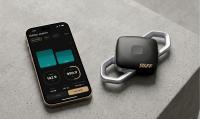
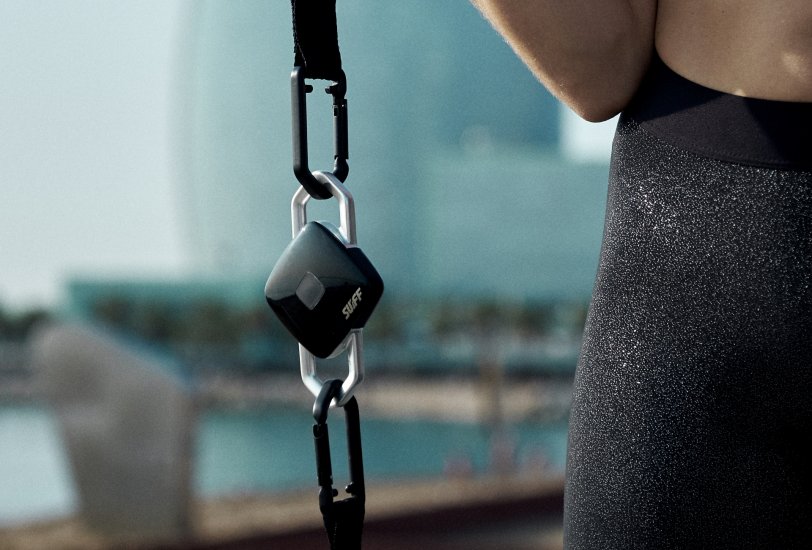
SUIFF is not just another wearable or generic training app. It is a strength measurement device—both isometric and dynamic—designed for real-world professional use: physiotherapy clinics, gyms, healthcare centres and home settings.
Its value lies not only in what it measures, but in how it integrates it. Each session generates structured data (peak force, mean force, TUT, time to peak) stored per client, comparable over time and exportable in PDF and CSV reports. This turns a single assessment into longitudinal tracking.
Real-time biofeedback adds another layer: patients can see their force output during the exercise, improving neuromuscular activation and turning each session into a motor learning experience rather than just physical effort.
Accessibility as a competitive advantage
One of the clearest trends in sports and health technology is decentralisation: moving from elite-only tools to solutions usable in everyday practice. SUIFF is designed with this principle at its core.
At just 120 grams, Bluetooth-enabled and compatible with existing equipment (pulleys, resistance bands, cable machines), it removes adoption barriers. No complex training is required, no workflow overhaul is needed—it integrates into existing practice.
This is what sets it apart: not better technology for those who already had access to technology, but accessible technology for those who did not.
Where the sector is heading
The direction is clear: systems that not only measure, but learn from the user, suggest adjustments and integrate with the broader health ecosystem (clinical records, apps, wearables). Strength measurement must shift from being a single event to a continuous health metric.
SUIFF is already moving in that direction, positioned at the intersection of clinical rigour, portability and everyday usability.
Professional expertise remains essential—but with precise longitudinal data, that expertise becomes more effective, more defensible and more scalable.