Any experienced coach knows there are no two identical clients. What works for one may be insufficient for another and excessive for a third. Training personalisation is not a new concept; it is the foundation of good professional practice. What has changed is the ability to apply it with true precision, rather than relying solely on clinical judgement.
For years, personalisation has meant adjusting programmes based on observation, experience and the coach’s judgement. That remains valuable and irreplaceable. But it has a limit: without objective strength data, many programming decisions are still estimates. How much has this client actually improved over the past eight weeks? Is the left quadriceps as developed as the right? Is today’s performance drop due to acute fatigue or accumulated fatigue? The honest answer, without measurement, is that we cannot know for sure.
From intuition to data: what changes in practice
The first shift introduced by objective strength measurement is at the starting point. Before designing any programme, knowing the real strength values of each muscle group (not estimates derived from 1RM testing or visual assessment) allows for specific, achievable and measurable goals from day one. Not “we will train the lower body”, but “the right quadriceps produces 23% less force than the left, and that is the imbalance we will address over the next twelve weeks”.
The second change is progression. Load adjustments based on tables or theoretical percentages of maximum strength are useful approximations, but they do not reflect how that specific client is responding in that specific session. Session-by-session strength data shows whether the stimulus is sufficient, excessive or inadequate, allowing adjustments in real time, without waiting for stagnation or injury.
The third, and perhaps least obvious, is communication. Showing a client a graph of how their peak squat force has evolved over the last two months fundamentally changes the conversation. It is no longer the coach saying “you are improving”, it is the client seeing, through their own data, that they are improving. The impact on adherence and motivation is significant.
How SUIFF makes this possible in daily practice
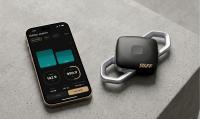
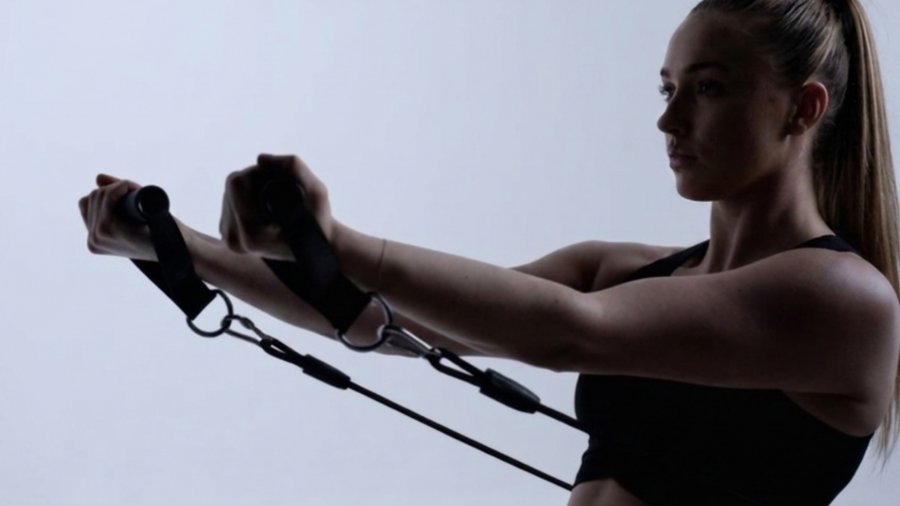
The SUIFF sensor enables real-time strength measurement (isometric and dynamic) in any environment using standard equipment: cable machines, resistance bands, or pulley systems. It requires no fixed installation, no one-rep max testing, and works equally well for elite athletes and older adults training at home.
Data is recorded per exercise and per client, including metrics such as peak force, average force and time to peak. The longitudinal record allows session comparisons, trend detection, and exportable PDF and CSV reports for coach tracking, professional collaboration, or client feedback as part of the service.
In practical terms, this translates into more accurately tailored programmes from the outset, load decisions based on real response rather than estimation, and a clear value proposition compared to coaches working without objective data.
True personalisation requires true measurement
Personalisation is not a marketing concept or a passing trend. It is the necessary condition for strength training to be effective, safe and sustainable for each individual. And delivering it with rigour requires information that observation alone cannot provide.
SUIFF does not replace the coach’s judgement. It enhances it with a data layer that makes that judgement more precise, more defensible and more effective.
Discover how SUIFF can improve the quality of your programmes